
“Traffic is up 38%.” “Your rankings have improved.” “Engagement has increased by 24%.”
On paper, that sounds like a successful month. But there’s an important question missing from those numbers: what has that actually meant for your business?
More website visitors, better search rankings and increased engagement are all positive signs. But if they aren’t helping you attract the right customers, generate enquiries or increase sales, are they really delivering the results you need?
That doesn’t mean these metrics aren’t valuable, they can actually tell us a lot about how marketing is performing and where opportunities exist. The problem comes when they’re presented as evidence of success without connecting them to the things that matter commercially.
At SQ, we believe marketing performance should be measured against your business objectives, not just how impressive the numbers look in a report.
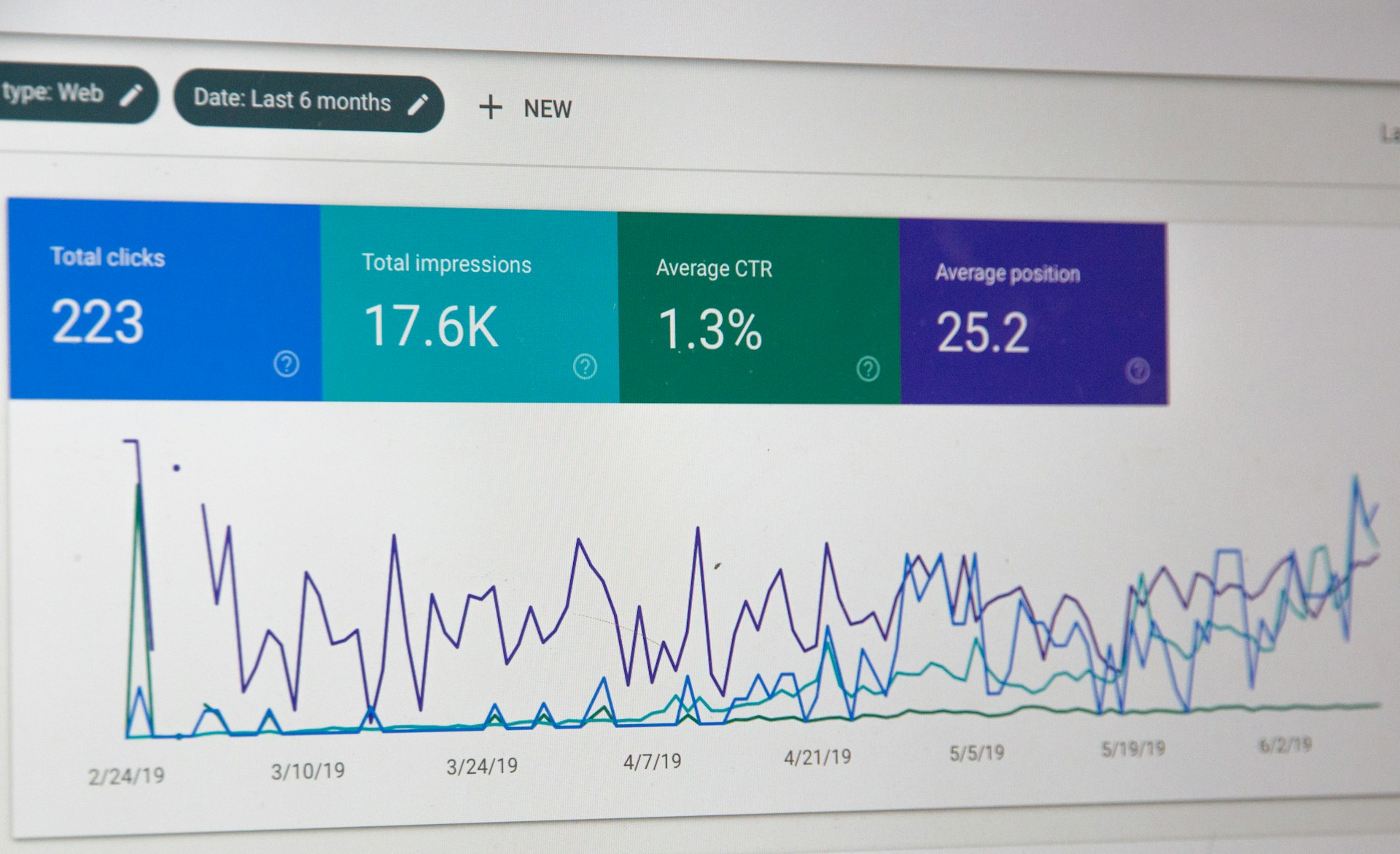
What are vanity metrics?
Vanity metrics are measurements that look impressive but don’t necessarily tell you whether your marketing is contributing to business growth.
In digital marketing, common examples include website traffic, impressions, social media followers, engagement and search engine rankings.
These numbers aren’t meaningless. In fact, they’re often important indicators of how your marketing is performing. But without context, they only tell part of the story.
For example:
- Website traffic has increased by 38%. Great, but are those visitors potential customers? Are they visiting relevant pages and taking action?
- Your Google rankings have improved. Positive news, but are you appearing for searches that your target customers are making? Are those rankings generating enquiries?
- Social media engagement is up 24%. Your content is getting attention, but is it reaching the right audience, building awareness with potential customers or contributing to new business opportunities?
A business could double its website traffic without generating a single additional enquiry. Equally, another business could see a smaller increase in traffic but generate significantly more revenue because it’s attracting visitors who are ready to buy.
The difference is the quality and commercial value of that activity.
Good marketing reporting shouldn’t just tell you what’s increased or decreased. It should explain why it matters and what happens next.
Which digital marketing KPIs actually matter?
The most important marketing KPIs are the ones that help you understand whether your marketing is achieving your business objectives.
For most businesses, that means looking beyond visibility and engagement to understand how marketing contributes to leads, sales, pipeline and revenue.
Four areas are particularly important.
1. Qualified leads
Generating enquiries is important, but generating the right enquiries is even more valuable.
A qualified lead is someone who fits your target customer profile and has a genuine interest in your products or services.
For example, generating 100 enquiries might look impressive. But if only 10 are relevant to your business, those numbers tell a very different story from generating 40 enquiries where 30 are genuine opportunities.
Tracking qualified leads helps you understand whether your marketing is attracting the right audience, rather than simply generating volume.
Useful KPIs include the number of qualified leads, lead qualification rate and cost per qualified lead.
2. Conversions and sales
A conversion happens when someone takes a valuable action, such as submitting an enquiry form, requesting a quote, booking a consultation or completing a purchase.
However, not every conversion has the same commercial value.
A brochure download might indicate interest, while a request for a quotation could suggest someone is much closer to making a purchase.
Understanding these differences helps you assess which marketing channels and campaigns are attracting potential customers and encouraging them to take the next step.
For ecommerce businesses, this might mean measuring purchases, conversion rates and average order value. For service-based businesses, it could mean tracking enquiries, consultation bookings and how many of those eventually become customers.
3. Sales pipeline
Not every customer makes a purchase immediately, particularly in B2B industries or businesses with longer sales cycles.
Someone might discover your business through Google, download a guide, return to your website several weeks later and eventually request a quotation.
That’s why measuring your sales pipeline is so important.
Pipeline reporting helps you understand the potential value of opportunities generated or influenced by marketing, even before those opportunities become confirmed sales.
For example, if your marketing generates 15 qualified opportunities with a combined potential value of £150,000, that provides much more commercial context than simply reporting the number of website visitors.
It also helps identify whether those opportunities are progressing towards a sale or getting stuck along the way.
4. Revenue and return on investment
Ultimately, businesses invest in marketing because they want it to contribute to growth.
Understanding how marketing influences revenue helps you assess whether that investment is delivering value.
This might include tracking revenue generated through ecommerce, the value of new customers acquired or the revenue associated with marketing-generated opportunities.
Return on investment (ROI) can also help you understand the financial return from your marketing activity relative to its cost.
Of course, not every marketing activity will generate an immediate sale. Brand awareness, customer trust and consideration all play a role in future purchasing decisions.
But where possible, connecting marketing activity to commercial outcomes gives you a much clearer understanding of what’s working and where to invest next.

How do I know if my digital marketing is effective?
Measuring marketing effectiveness isn’t about finding one perfect metric. It’s about understanding how different activities contribute to the customer journey.
Let’s say your SEO campaign has increased organic traffic by 30%.
That’s a positive starting point, but it shouldn’t be the end of the conversation.
You also want to understand whether that additional traffic is reaching the right pages, generating enquiries, producing qualified leads and contributing to sales.
A useful way to think about this is:
Marketing activity → Relevant traffic and engagement → Enquiries and conversions → Qualified leads → Sales opportunities → Revenue
Not every customer will follow this journey in a straight line. Someone might discover your business through social media, return through Google and eventually convert after receiving an email.
That makes attribution more complicated, but it doesn’t mean you shouldn’t try to understand the relationship between your marketing activity and business results.
The key is to connect your reporting to your objectives from the beginning.
If your priority is generating more qualified leads, your reporting should show how many you’re generating, where they’re coming from and how they’re progressing.
If your goal is increasing ecommerce revenue, you should be looking at sales, conversion rates, average order values and the contribution of different marketing channels.
And if you’re focused on building awareness in a new market, reach, relevant traffic and engagement may be important indicators of progress before enquiries begin to increase.
Effective marketing measurement starts with knowing what you’re trying to achieve, then choosing the KPIs that help you measure progress towards it.
Not every metric needs to be a revenue number
Does this mean you should stop paying attention to traffic, impressions, rankings and engagement? Absolutely not.
These metrics still have an important role in understanding marketing performance.
An increase in organic traffic can highlight improvements in search visibility. Better rankings can indicate that your SEO strategy is gaining traction. Social media engagement can help you understand which content resonates with your audience.

They can also act as early indicators of future performance, particularly for campaigns focused on building awareness or reaching new audiences.
The important thing is understanding where they fit into the bigger picture.
For example, if website traffic is increasing but enquiries are falling, that tells you something worth investigating. Are you attracting less relevant visitors? Are users struggling to navigate the website? Is there an issue with the conversion process?
Equally, if traffic remains relatively stable but qualified leads are increasing, your marketing could be becoming more effective at attracting and converting the right audience.
Neither situation can be properly understood by looking at traffic figures alone.
The best marketing reports bring these different layers together. They explain what’s happening, why it’s happening and what should be done next.
Because reporting should do more than demonstrate activity, it should help you make better business decisions.
Don’t confuse marketing activity with business impact
Traffic, rankings, impressions, followers and engagement all have their place.
But a successful marketing strategy isn’t about making every number on a dashboard go up. The more important thing is making progress towards the objectives that matter the most to your business.
That might mean generating more qualified enquiries, improving conversion rates, building a stronger sales pipeline or increasing revenue.
And sometimes, it means recognising that a campaign is generating plenty of activity without delivering the results you actually need, then making changes.
At SQ Digital, we take a commercially focused approach to digital marketing. We want to understand what success looks like for your business, identify the opportunities that will make the biggest difference and measure performance against those goals.
Because the real value of marketing isn’t just in the numbers you can report, it’s in what those numbers mean for your business.
So, the next time you’re reviewing your marketing performance, don’t just ask what’s gone up.
Ask what difference it’s made.
Ready to measure what really matters?
If you’re investing in digital marketing but aren’t sure how it’s contributing to your wider business goals, we can help.
We’ll work with you to understand your objectives, identify the right opportunities and build a marketing strategy focused on delivering meaningful results.
Book a free discovery call to discuss how SQ Digital can help your business grow.