
Website user experience (also referred to as UX) is how people feel when they interact with your website.
If you have good UX, then visitors are able to find information quickly, understand what your business offers, and navigate effortlessly without confusion.
Poor UX, on the other hand, has the opposite effect. Visitors struggle to find what they need, become frustrated, and potentially leave your website to go to a competitor instead.
A website’s UX is more than how your business’s website looks. A visually attractive website can still perform poorly if visitors can’t complete their goals easily. The best websites combine attractive web design with effortless usability.
What makes a website frictionless?
A frictionless website is one that enables users to get the information they need without any unnecessary obstacles or hurdles, such as slow loading pages, confusing navigation, or poor mobile usability. Friction on a website is therefore anything that slows down visitors and makes completing tasks more difficult than it needs to be.
Other examples of what may create friction on your website include:
- Too many menu options
- Unclear calls to action
- Walls of text
- Broken links
- Difficult checkout or enquiry processes
- Inconsistent page layouts
Although these may seem like minor niggles on their own, together they can create hesitation and ultimately lead to a potential customer leaving your website without converting. It could even cause them to visit a competitor instead.
Why friction on a website costs businesses money
Many businesses assume visitors who leave simply weren’t interested but that’s not necessarily the case. Research tells us that users make split-second decisions about whether to stay on a website based on how it looks, how trustworthy it feels, and whether they can get the information they need.
Unnecessary friction can lead to abandoned carts, forms not filled in, and high bounce rates that lower your organic rankings, even from people who are interested in your product or service. In our fast-paced world, people are more likely to abandon ship than they are to work through it and find a solution to whatever problem your website has posed.
Global travel brand, Expedia are a notable example of how friction on a website can add to someone’s mental load and cause even qualified customers to abandon a purchase, costing a company money.
During their booking process, Expedia had an optional field labelled ‘company’. Many users interpreted this to be the name of their bank and so followed by putting their bank’s address rather than their own in the fields that followed. As such, when it came to verify their home address to process their credit or debit card, it failed and so users abandoned their purchase. When Expedia removed this optional field, they saw their profits increase by $12million a year.
Poor UX can lead to businesses losing qualified enquiries, customer trust, and return enquiries. All of these can cost your business money, especially if you’re attracting people to your website using Pay-Per-Click (PPC). This, ultimately, leads to wasted marketing spend.
The link between website UX and conversion optimisation
Improving your website’s UX is one of the most effective ways to optimise your website’s conversion rates. Rather than trying to persuade more visitors to your website, conversion optimisation removes barriers that prevent motivated users from taking action.
If you take a look at your own website, you can test whether any of these small improvements make a significant difference to the number of visitors who complete meaningful actions:
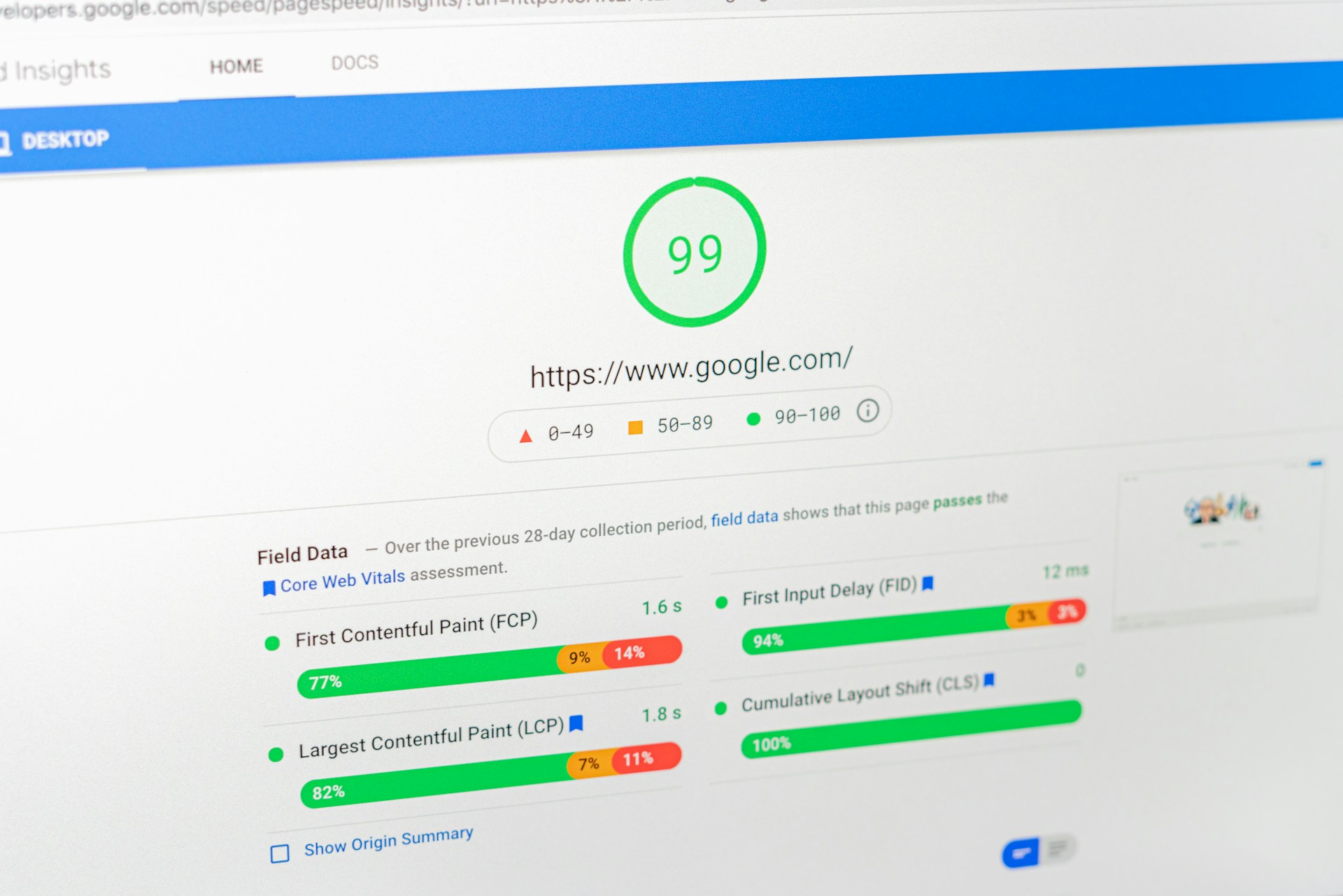
- Improving page speed
- Simplifying navigation
- Reducing form fields
- Making contact buttons and call to actions clearer
- Creating clearer page layouts
- Improving readability
When visitors don’t have to think about how to use your website, they’re far more likely to convert.
Signs your website has friction
When you’re used to looking at your own website, you may overlook or not see problems that new visitors immediately notice. However, if you notice some tell-tale signs of friction on your website, it may be worth looking at the UX of your website with a more critical eye.
Some examples include high bounce rates, low enquiry rates despite good levels of traffic, visitors abandoning contact forms, or users visiting multiple pages and then leaving again. These issues often indicate that your website isn’t supporting visitors as effectively as it could.
If you’re struggling to understand how these factors could be improved, you can book a free consultation with one of our specialists.
Frictionless website designs builds trust
Visitors judge credibility within microseconds of landing on your website, so you need to be sure that your website design is professional, reliable and easy to work with.
This means ensuring that your website has consistent branding, professional imagery and secure browsing (HTTPS). For the service industry, you may want to include customer testimonials, and for online stores, transparent pricing will build trust with your audience.
If your website is tainting your business’s reputation, however, it could be time for a redesign. After all, usability issues don’t just stem from design problems, they could be caused by outdated technology.
Websites that are more than five years old, aren’t mobile friendly, and are slow to load, are all at risk of losing potential customers and costing your business money. This is especially true if your website isn’t generating enquiries or no longer reflects your current business.
A redesign provides the opportunity to rethink the entire customer journey, ensuring every page supports your business objectives.
Speak to one of our digital specialists about your website’s UX by booking your complimentary growth consultation. From there, we can help you to uncover opportunities to simplify the customer journey, improve usability and increase conversions.
Want to see how we’ve helped other businesses? Take a look at our digital marketing case studies.